1. What is Dill?
Dill, scientifically known as Anethum graveolens, is an aromatic annual herb native to the Mediterranean and parts of western Asia. It has been valued for centuries for both its culinary and medicinal properties. The name “dill” is derived from the Old Norse word dilla, which means “to lull,” reflecting its traditional use as a soothing agent. Dill thrives in temperate climates and is commonly found in Europe, the Middle East, and Asia. Throughout history, dill has been associated with healing and protection, appearing in ancient Egyptian, Greek, and Roman cultures as both a flavorful herb and a medicinal remedy.
2. General Benefits of Dill
Dill is highly regarded not only for its distinctive flavor but also for its health benefits. Packed with essential nutrients and active compounds, dill offers a range of advantages:
2.1 Digestive Aid: Dill has long been used to support digestion, alleviate bloating, and soothe upset stomachs.
2.2 Antioxidant Properties: Rich in flavonoids and vitamin C, dill helps combat oxidative stress, protecting the body from cellular damage.
2.3 Bone Health: The herb is a good source of calcium, contributing to the maintenance of strong bones.
2.4 Antimicrobial Benefits: Dill’s essential oil contains compounds with antimicrobial properties that may help inhibit the growth of certain bacteria.
2.5 Anti-inflammatory Effects: Dill s active compounds have been linked to reducing inflammation, potentially aiding in conditions associated with chronic inflammation.
2.6 Heart Health: Dill’s fiber content supports cardiovascular health by helping to regulate cholesterol levels.
3. Global Production and Supply
Dill is cultivated in various regions across the world, with annual global production estimates ranging between 20,000 to 30,000 metric tons. The majority of this production is split between fresh leaves and seeds, which are used in cooking, pickling, and the production of essential oils. Demand for dill continues to rise, driven by its popularity in the culinary world and in herbal remedies.
4. Major Exporting Countries
Dill is widely produced and exported by several countries, including:
- India: A leading exporter of dill seeds and leaves, contributing significantly to global supply.
- Egypt: Known for producing high-quality dill for both regional and international markets.
- Turkey: A significant exporter, benefiting from its favorable climate for herb cultivation.
- Poland: Supplies dill primarily to European markets.
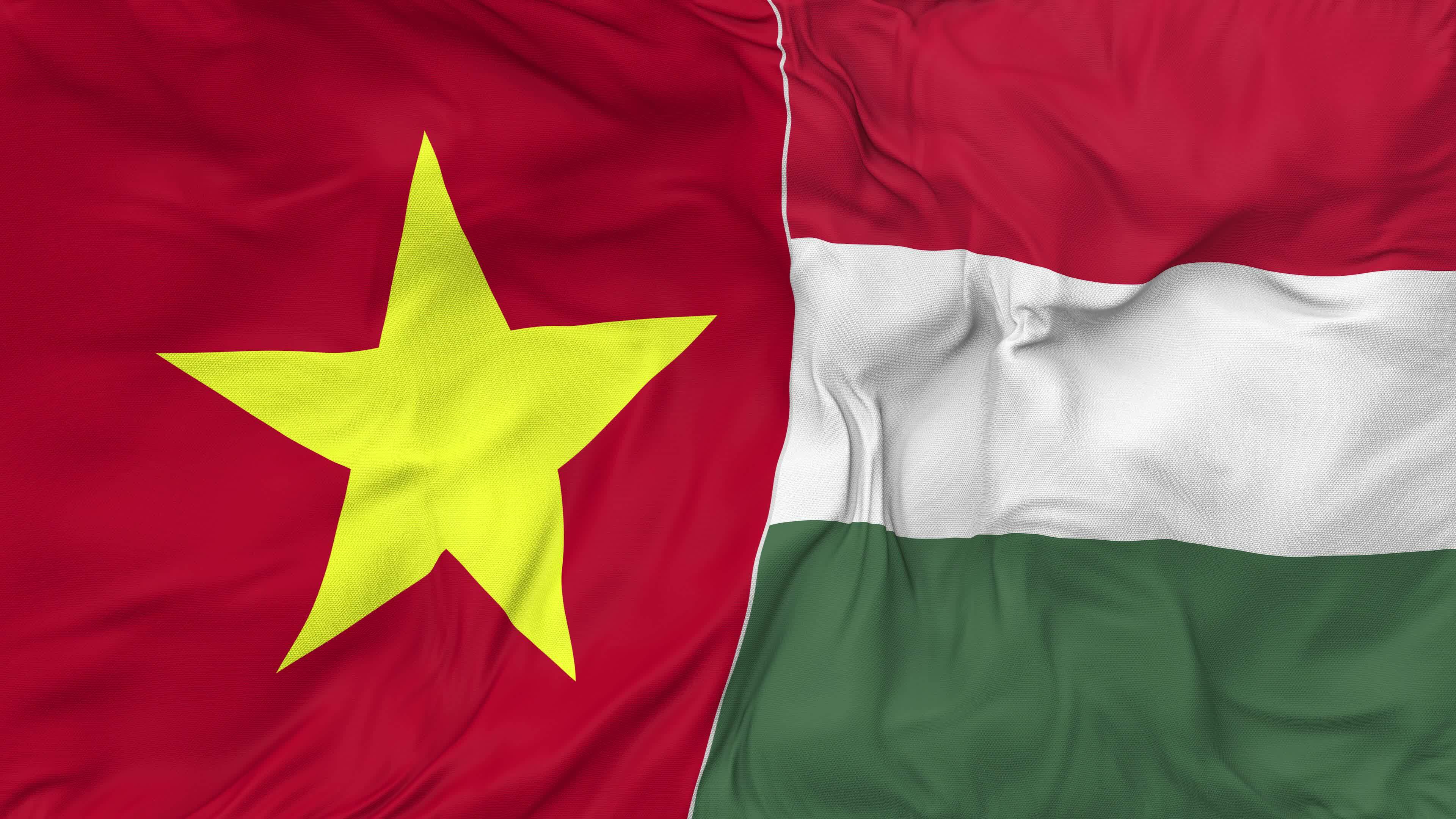
- Hungary: A consistent exporter within Europe.
5. Major Importing Countries
Dill is imported by various countries to meet domestic and industrial demand. The key importers include:
- United States: Imports dill for use in the food industry, particularly in pickling and prepared foods.
- Germany: A major importer of dill, used extensively in traditional dishes and the food processing industry.
- France: Renowned for its culinary culture, France imports dill for flavoring dishes and herbal applications.
- United Kingdom: Utilizes dill in a variety of culinary applications, importing fresh and dried forms.
- Japan: Imports dill for both its culinary uses and incorporation into herbal products.
Dill remains an essential herb, cherished for its versatility and numerous health benefits. Its global production and trade underline its importance in both traditional and modern kitchens, as well as its role in herbal medicine. As demand continues to grow, dill s status in the global herb market is set to flourish further, highlighting its enduring appeal and practicality.